

Beyond Transparency: Top 5 Glass Door Hardware Trends Defining 2026
In the world of commercial architecture, glass has always been about visibility. But as we approach 2026, the focus is shifting from the glass itself to the engineering that holds it in place. For distributors, contractors, and project managers, "standard" is no longer enough. Modern office spaces demand hardware that is not only mechanically robust but also aesthetically aligned with minimalist design languages.
We have analyzed purchasing data from major global markets and feedback from leading architectural firms to identify the five definitive trends that will shape the glass hardware industry in the coming year. Here is what you need to know to keep your inventory and projects ahead of the curve.
1. The "Matte Black" Domination
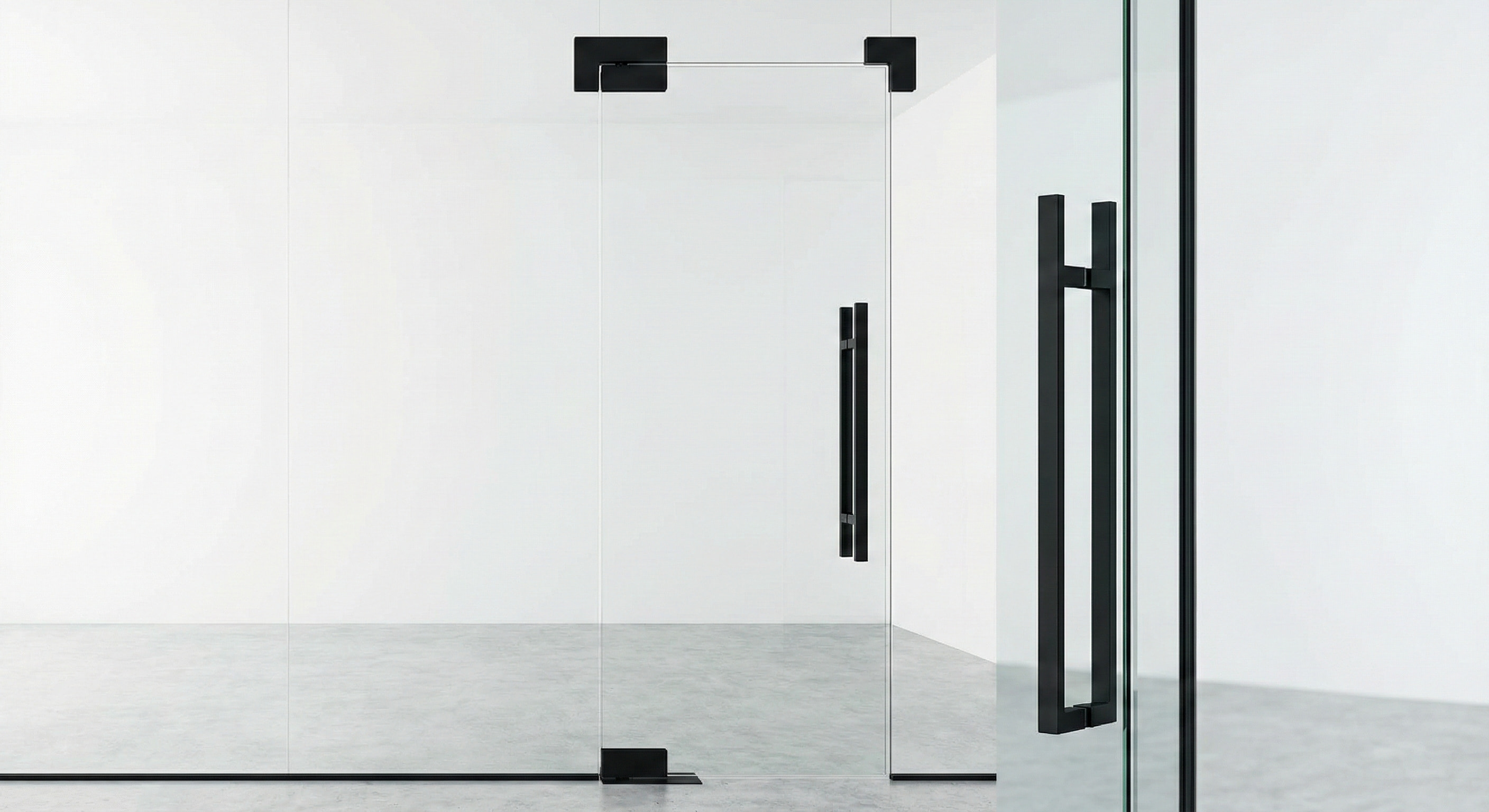 Matte black finishes create a sophisticated frame for frameless glass partitions.
Five years ago, polished chrome was the undisputed king. Today, Matte Black has evolved from a niche request to a standard requirement in commercial specifications. The appeal lies in the contrast: the bold, light-absorbing finish of the hardware outlines the space without obstructing the view, creating a "framed" look that appeals to industrial-chic design sensibilities.
However, for B2B buyers, the challenge is quality control. Low-quality black finishes peel and fade. The trend for 2026 is Electroplated or Powder-Coated Black finishes that offer fingerprint resistance and high durability against scratching, ensuring the hardware looks pristine even in high-traffic doorways.
2. "Digging-Free" Hydraulic Solutions
Time is money on a construction site. Traditional floor springs require cutting large holes in the concrete floor—a process that is noisy, dusty, and risky if underfloor piping exists. This pain point has driven the rapid adoption of Hydraulic Patch Fittings (often called "Non-digging floor springs").
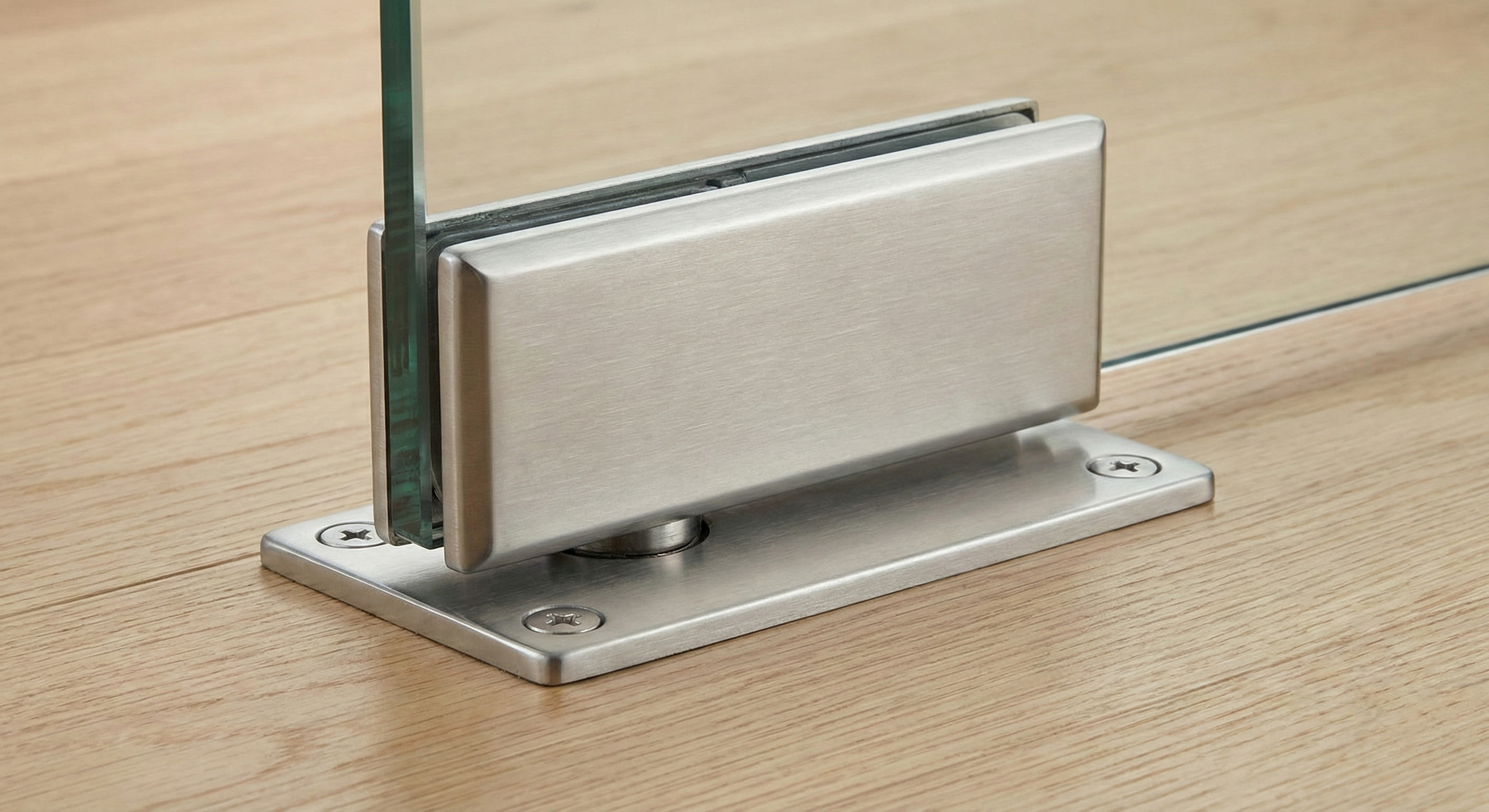
These intelligent devices house the hydraulic mechanism directly inside the bottom door clip. Installation requires only four screws drilled into the surface. As we move into 2026, expect these units to become slimmer while supporting heavier load capacities (up to 100kg+), making them the preferred choice for renovation projects where preserving existing flooring is critical.
3. Square Profiles & Sharp Lines
While rounded hardware is timeless, the current architectural preference is shifting towards geometric precision. Square pull handles, rectangular patch fittings, and sharp-edged locks are being specified to match the linear grid of modern office ceilings and partitions.
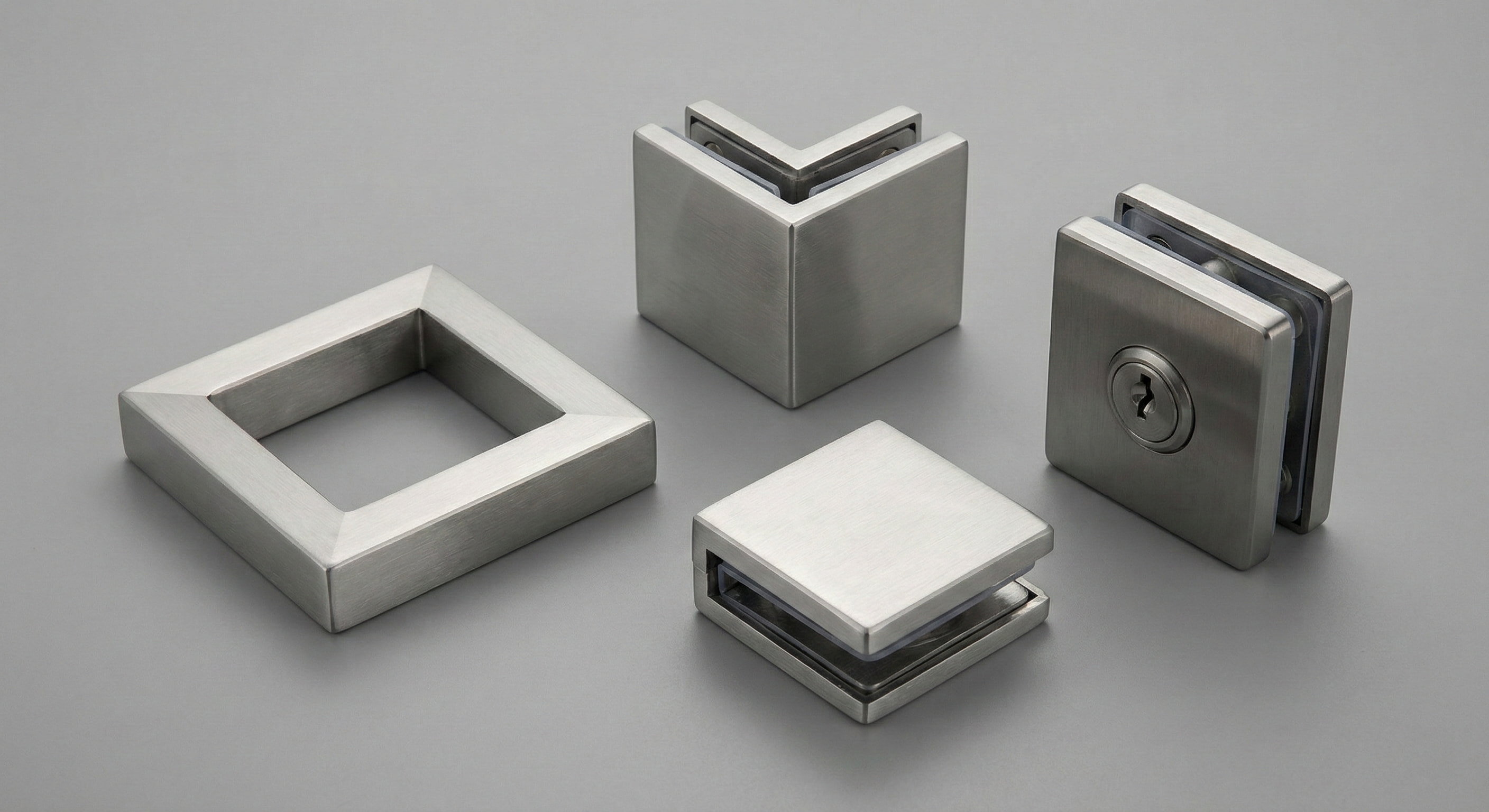
This trend places a higher demand on manufacturing capabilities. Unlike round tubes, square profiles show every imperfection in polishing and welding. Sourcing from manufacturers who utilize advanced CNC machining ensures that the edges are crisp and safe, offering a premium tactile experience for the end-user.
4. Slim & Ultra-Narrow Fittings
The "Slim" trend aims to reduce the visual footprint of metal components. Designers are asking: "What is the smallest piece of hardware we can use to hold this door safely?"
New alloy technologies and structural engineering allow for patch fittings that are 20-30% smaller than traditional models. These Slim Series fittings are particularly popular in luxury retail and high-end conference rooms, where the goal is to maximize light flow and create a sense of openness.
5. Material Grade Integrity (SS304/SS316)
Perhaps the most significant "trend" is actually a return to fundamentals: Material Authenticity. In a market flooded with cheaper zinc alloys or low-nickel stainless steel, B2B buyers are becoming more vigilant about corrosion resistance, especially for coastal or humid environments.
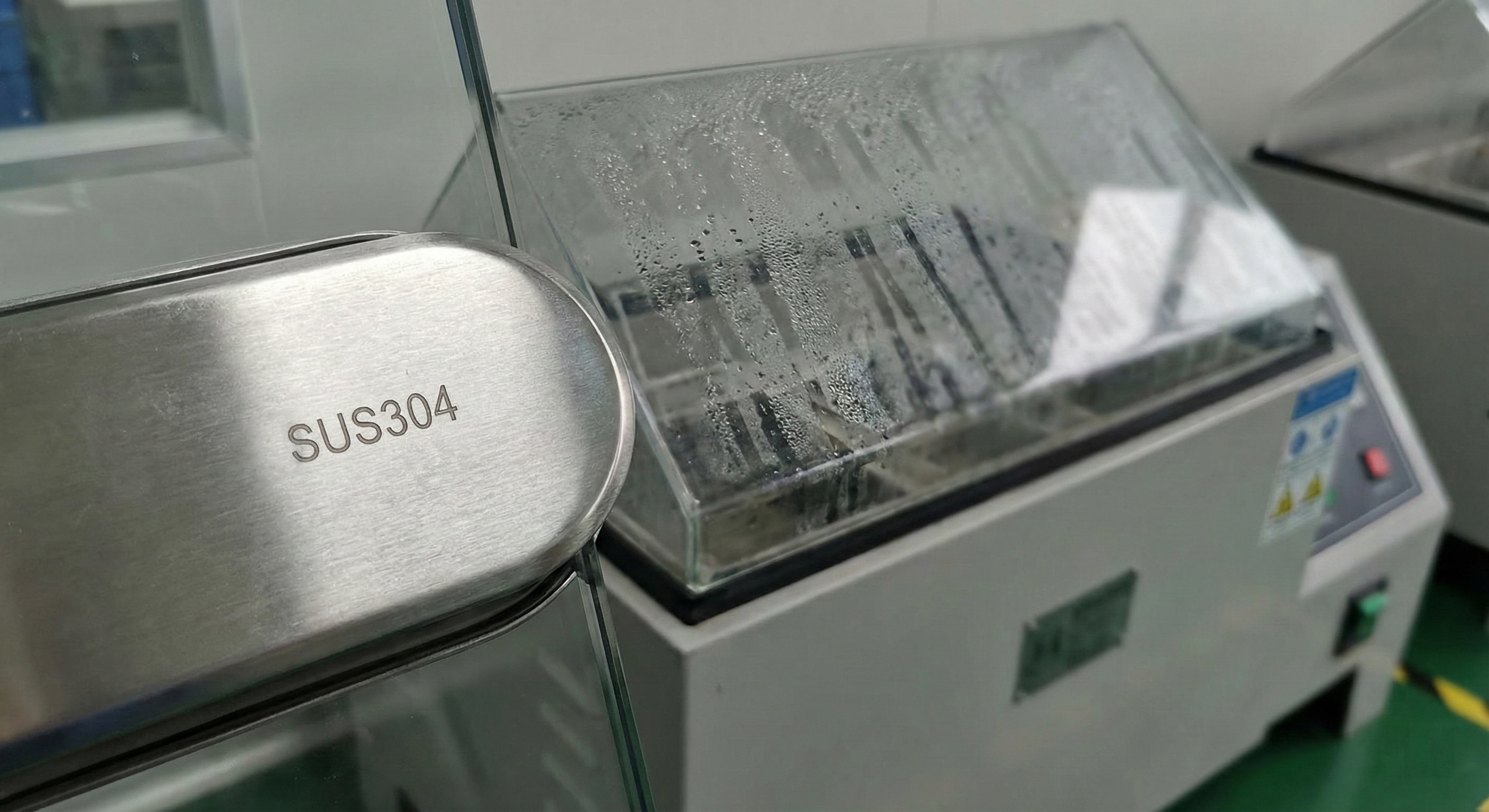
In 2026, a "trustworthy" supplier is one who provides transparent Salt Spray Test reports and material composition analysis. Verifying that your hardware is genuine SUS304 or SUS316 Stainless Steel is not just about longevity; it's about protecting your reputation against rust claims six months after installation.
Looking Ahead
The glass hardware sector is evolving from a commodity market to a design-driven industry. For businesses in the construction supply chain, adapting to these trends—Matte Black finishes, Digging-Free technology, Square profiles, and Material integrity—is essential. By aligning your product offerings with these architectural shifts, you position your business not just as a supplier, but as a solution provider for modern building challenges.